Why Women Struggle With Energy Levels and How to Improve Them
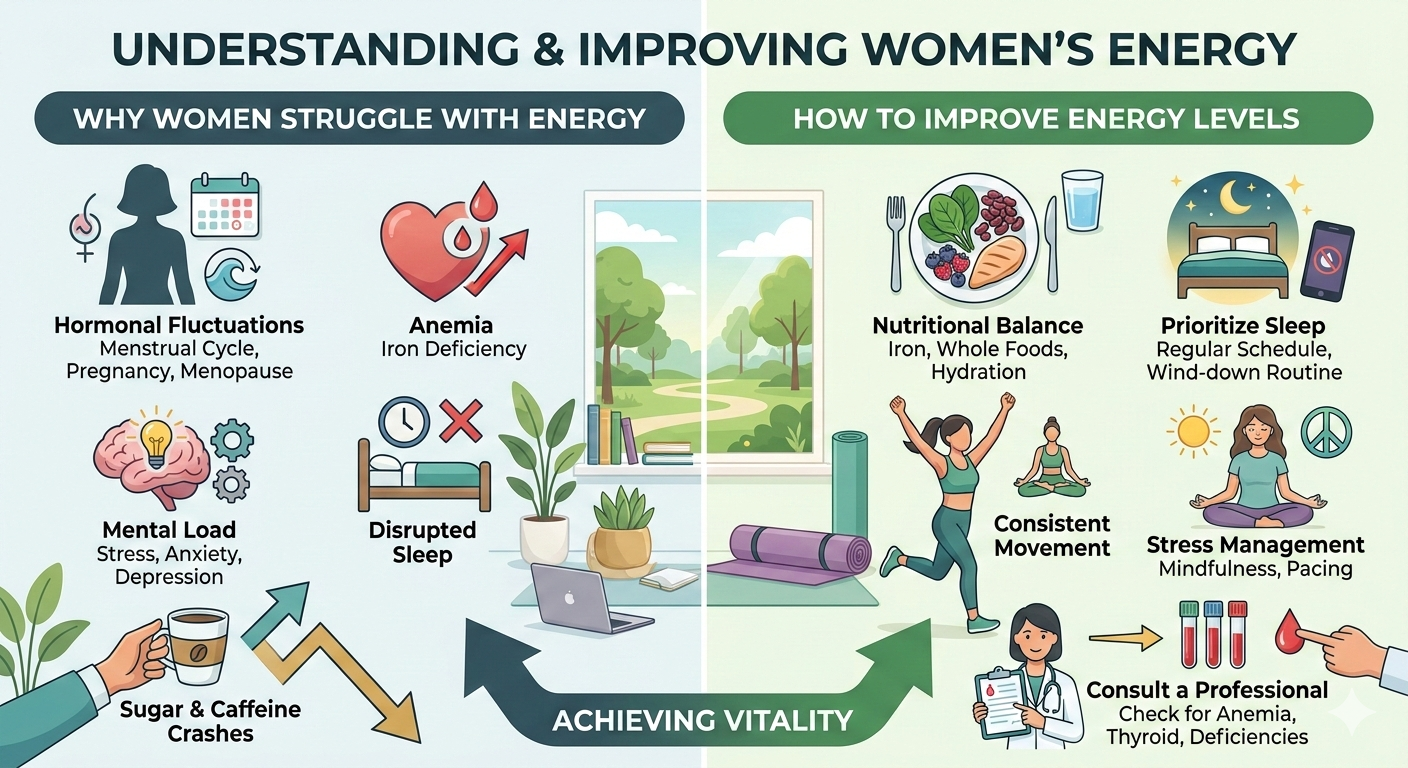
Many women experience persistent fatigue and low energy during different stages of life. Between managing work, family responsibilities, hormonal changes, and daily stress, it can be difficult to maintain consistent energy levels. Understanding the factors that influence women’s energy can help create healthier habits that support overall wellbeing.
At Sarjay Vitality Health Club, we believe that balanced nutrition, hormone-friendly exercise, and sustainable lifestyle habits play an important role in helping women feel energized and maintain long-term health.
Common Reasons Women Experience Low Energy
1. Hormonal Changes
Hormones play a significant role in regulating energy levels. Changes during the menstrual cycle, pregnancy, postpartum recovery, and menopause can affect mood, metabolism, and overall vitality. Fluctuations in hormones such as estrogen and progesterone may lead to fatigue or reduced motivation.
2. Poor Nutrition Habits
Skipping meals, relying on processed foods, or consuming too much sugar can cause sudden spikes and crashes in blood sugar levels. When the body does not receive enough essential nutrients, it may struggle to produce the energy needed for daily activities.
A balanced diet that includes protein, healthy fats, whole grains, fruits, and vegetables helps maintain steady energy levels throughout the day.
3. Lack of Quality Sleep
Sleep is essential for restoring the body and supporting hormone regulation. Poor sleep habits, irregular schedules, or high stress levels can interfere with the body’s ability to rest properly, leading to fatigue and decreased productivity.
Most adults benefit from 7–9 hours of quality sleep each night to maintain optimal health and energy.
4. High Stress Levels
Chronic stress can negatively impact both physical and mental health. When the body is constantly under stress, it releases hormones such as cortisol, which can lead to exhaustion, mood changes, and reduced energy over time.
Practicing relaxation techniques such as deep breathing, meditation, or yoga can help support mental wellbeing and improve energy levels.
5. Sedentary Lifestyle
While it may seem counterintuitive, lack of physical activity can actually contribute to fatigue. Regular movement helps improve blood circulation, strengthens muscles, and increases oxygen flow to the brain and body.
Even simple activities such as walking, stretching, or low-impact workouts can make a significant difference in overall energy.
How Women Can Naturally Improve Their Energy Levels
1. Focus on Balanced Nutrition
Eating regular meals with nutrient-dense foods helps provide the body with steady fuel. Including protein, fiber, and healthy fats in meals can prevent energy crashes and support metabolism.
2. Stay Physically Active
Exercise does not need to be extreme to be effective. Consistent movement such as strength training, yoga, or light cardio can boost energy levels, improve mood, and support hormonal balance.
3. Prioritize Rest and Recovery
Quality sleep and rest are essential for maintaining physical and mental health. Establishing a consistent sleep routine and reducing screen time before bed may improve sleep quality.
4. Manage Stress Effectively
Finding ways to manage stress can help restore energy and improve focus. Activities such as mindfulness, journaling, or spending time outdoors can support emotional wellbeing.
5. Stay Hydrated
Dehydration can cause fatigue and reduced concentration. Drinking enough water throughout the day helps maintain energy and supports essential body functions.
Supporting Women’s Wellness at Sarjay Vitality Health Club
At Sarjay Vitality Health Club, we are committed to helping women build sustainable wellness habits that improve both physical health and daily energy levels. Through personalized exercise programs, holistic health guidance, and supportive coaching, women can develop routines that work with their bodies rather than against them.
Improving energy levels is not about quick fixes—it is about creating balanced habits that support long-term health. With the right combination of nutrition, movement, rest, and stress management, women can feel stronger, more energized, and better prepared to handle everyday challenges.