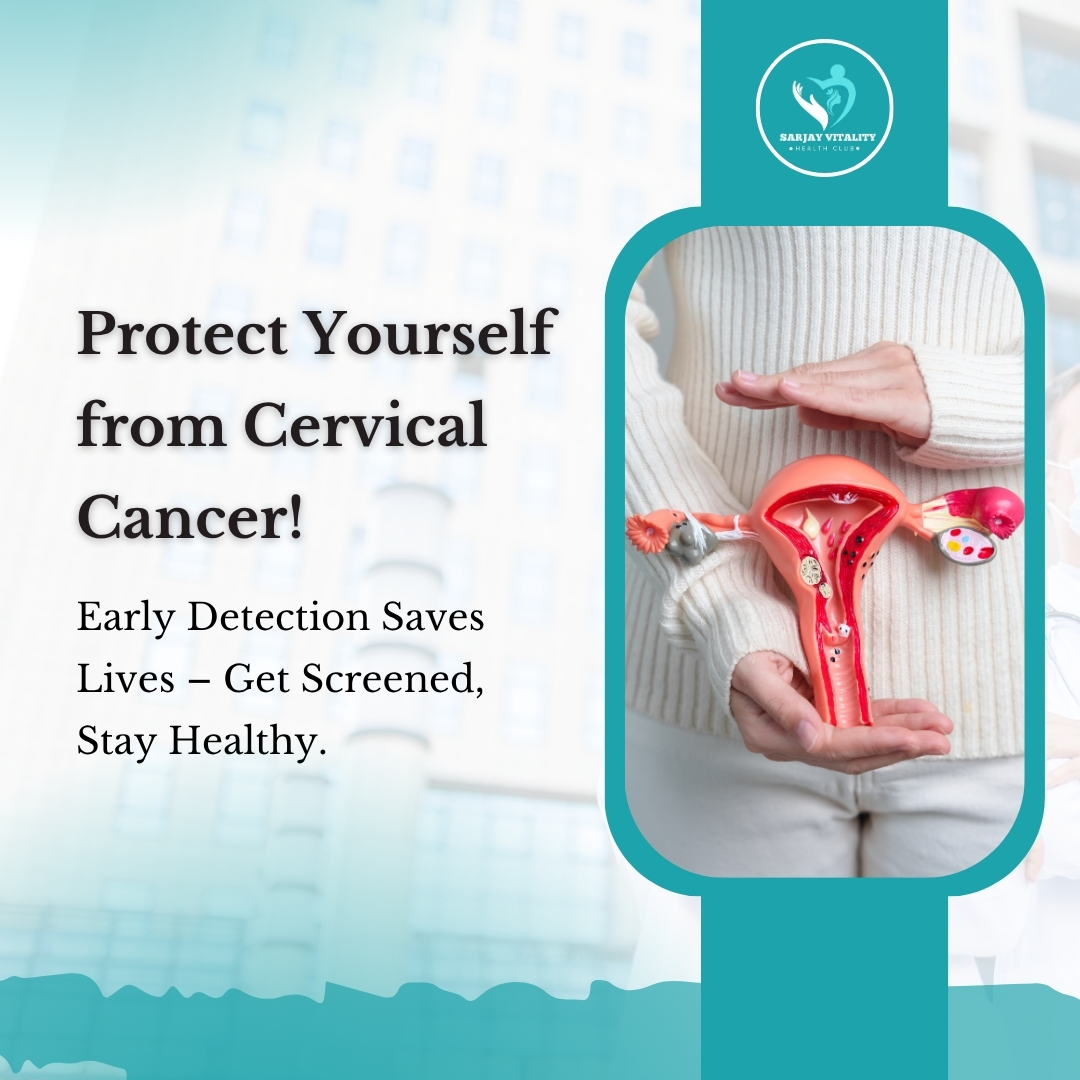
Understanding Cervical Cancer: Awareness, Prevention & Early Detection
What is Cervical Cancer? Cervical cancer begins in the cells lining the cervix — the lower part of the uterus that connects to the vagina. It develops when abnormal cells grow uncontrollably and can spread to other parts of the body if not detected early. Most cervical cancers are caused by persistent infection with high-risk types of Human Papillomavirus (HPV) — a very common virus transmitted through intimate contact.
At Sarjay Vitality Health Club, we emphasize the importance of early detection and preventive healthcare. Here’s why cervical cancer screening is so vital—and how you can protect yourself and your loved ones.
There are two main types:
Squamous cell carcinoma (around 70% of cases)
Adenocarcinoma (about 25% of cases) (Cancer Council Australia)Understanding Cervical Cancer: A Comprehensive OverviewWhy Does It Happen? The primary driver of cervical cancer is persistent infection with certain high-risk types of the human papillomavirus (HPV). (Cancer Council Australia) Other contributing risk-factors include:
The main cause of cervical cancer is HPV infection, but not everyone with HPV will develop cancer. Some factors that increase the risk include:
Starting sexual activity at an early age
Having multiple sexual partners
Smoking or exposure to second-hand smoke
A weakened immune system
Long-term use of oral contraceptives
Family history of cervical or other gynecological cancers
Regular screening and vaccination can significantly reduce these risks.
How to Prevent Cervical Cancer
Prevention is very feasible — making it one of the cancers with the greatest potential for elimination. (accf.org.au) The key preventive steps:
HPV vaccination — offered free in Australia for adolescents, strongly reduces the risk of HPV infection. (Cancer Council Australia)
Cervical screening — in Australia, the older Pap test has been replaced with the Cervical Screening Test (CST), which checks for high-risk HPV types in people aged 25–74. (accf.org.au)
Often early-stage cervical cancer may not cause notable symptoms, which makes screening especially important. When symptoms occur, they may include:
Bleeding between periods or after intercourse
Heavier or prolonged menstrual bleeding
Unusual vaginal discharge or bleeding after menopause
Pelvic pain or pain during intercourse (Cancer Council Australia) If you notice these symptoms — especially if you have a cervix — it’s important to see a healthcare provider.
Diagnosis & Treatment
When screening or symptoms suggest cervical abnormalities, further investigations may be done (colposcopy, biopsy) and a diagnosis confirmed. Treatment will depend on the stage and includes:
Surgery (to remove abnormal cells or affected tissue)
Radiotherapy or chemotherapy (in more advanced cases)
Role of the Australian Cervical Cancer Foundation (ACCF)
The Australian Cervical Cancer Foundation (ACCF) is a dedicated charity working to prevent cervical cancer and support individuals impacted by it. (accf.org.au) Their work includes:
Education programs (schools, workplaces, community) to raise awareness of HPV, screening and prevention. (accf.org.au)
Support services for those diagnosed — via information, resources, and connections to other services. (accf.org.au)
Advocacy towards making cervical cancer a thing of the past in Australia by around 2035. (accf.org.au)
Taking Action: What You Can Do
If you are aged 12-25 (or know someone who is), check the status of HPV vaccination.
If you are aged 25-74 with a cervix, ensure you are participating in the Cervical Screening Test every five years (or as recommended).
Don’t ignore symptoms — see your doctor if you have any of the warning signs listed above.
Consider supporting organizations like ACCF through awareness, volunteering or fundraising — prevention is a collective effort.
Spread the word: screening and vaccination save lives.
Final Thoughts
Cervical cancer is highly preventable — but only if we act. With the right vaccination, regular screening, and attention to early symptoms, many lives can be saved. The ACCF and healthcare professionals are working hard to achieve elimination — but your participation matters. Prevention starts with you.
Your Health Is in Your Hands
Cervical cancer is one of the few cancers that can be prevented, detected early, and treated successfully. Regular screening and vaccination are your best defense. At Sanjay Vitality Health Club, we are committed to women’s health and wellness. Early detection saves lives – get screened, stay healthy! Cervical cancer is one of the most preventable and treatable forms of cancer—if detected early. Please arrange to see your doctor today for a screening, if you are overdue for one.
Key Statistics in Australia
In 2024, approximately 1,030 new cases of cervical cancer are estimated in Australia. (Cancer Australia)
The estimated number of deaths in 2024 is about 243. (Cancer Australia)
Thanks to vaccination and screening, the incidence and mortality have been steadily falling. (Cancer Australia)
This website uses cookies to enhance your browsing experience, analyze site traffic, and personalize content. By continuing to use this site, you consent to our use of cookies.