SIMPLE MEAL PREP IDEAS FOR A HEALTHIER Stress-Free Lifestyle
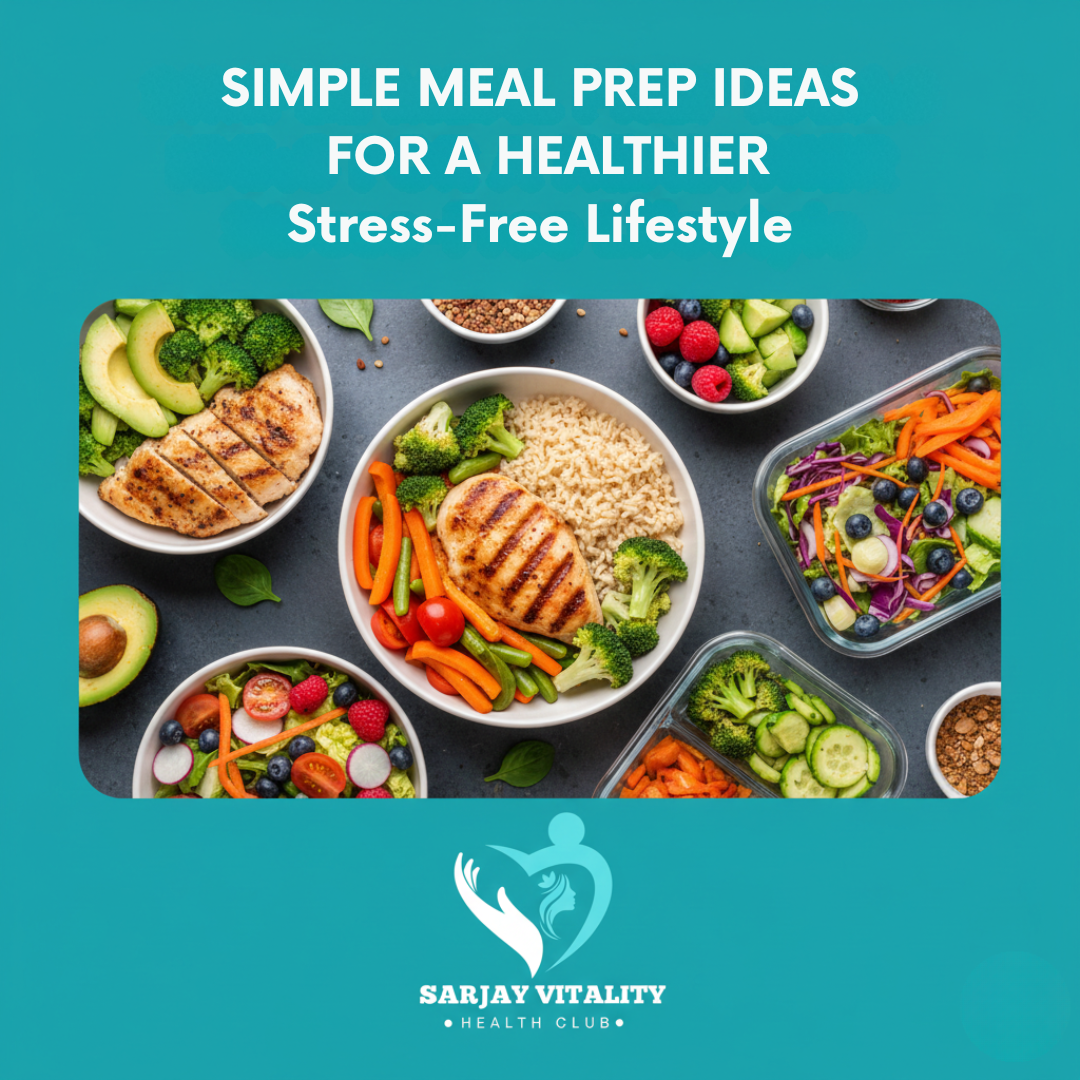
In today’s fast-paced world, balancing work, family, and personal time can make preparing healthy meals a challenge. Many people resort to fast food or skip meals altogether due to lack of time or planning. This is where meal prepping comes in a practical solution that not only saves time and reduces stress but also promotes healthier eating habits and better portion control. With simple meal prep strategies, anyone can create nutritious, delicious, and convenient meals for the entire week.
Meal prep involves preparing meals or meal components in advance, usually for several days to a week. It is a popular practice among busy professionals, fitness enthusiasts, and anyone striving for a healthier lifestyle. Meal prepping can include simple tasks like chopping vegetables ahead of time or cooking complete meals and storing them for later use.
The benefits are significant: it saves time by reducing the daily cooking burden, promotes healthier choices by preventing impulsive food decisions, and is cost-effective since buying ingredients in bulk and avoiding takeout lowers expenses. Additionally, pre-portioning meals aids in managing calorie intake and supports weight management goals, while having ready-to-eat meals reduces the stress and daily anxiety of deciding what to cook. By incorporating meal prep into your weekly routine, you can simplify your schedule, improve your nutrition, and transform your overall eating habits.
Before exploring specific meal prep ideas, it is essential to understand some key principles that make meal prepping both effective and sustainable. Planning ahead is crucial: creating a weekly meal plan that includes breakfast, lunch, dinner, and snacks while considering dietary preferences, nutritional goals, and time constraints sets a strong foundation. Batch cooking is another effective strategy, allowing you to prepare large quantities of staples such as rice, quinoa, roasted vegetables, or proteins, which can then be combined in various ways throughout the week. Investing in quality storage containers, preferably airtight and BPA-free, ensures freshness, with portion-sized containers being ideal for meals on the go.
Maintaining a balanced plate is also important. each meal should include a combination of lean proteins, complex carbohydrates, healthy fats, and vegetables. Finally, it is best to keep recipes simple, focusing on dishes with minimal ingredients and steps to avoid feeling overwhelmed. By following these principles, even beginners can establish a meal prep routine that is organized, practical, and enjoyable.
Simple Meal Prep Ideas for Breakfast
Breakfast is often called the most important meal of the day, yet many people skip it due to time constraints. Preparing breakfast in advance ensures a nutritious start to the day. Here are some simple ideas:
1. Overnight Oats
Combine rolled oats with milk or a dairy-free alternative in a jar.
Add chia seeds, fruit, or nuts for flavor and texture. Refrigerate overnight for a ready-to-eat breakfast.
2. Egg Muffins
Beat eggs with vegetables, cheese, and cooked meats (optional).
Pour the mixture into muffin tins and bake.
Store in the fridge or freezer for quick grab-and-go meals.
3. Smoothie Packs
Pre-portion fruits, vegetables, and protein powders into freezer bags.
In the morning, blend with milk, yogurt, or juice for a healthy smoothie.
4. Greek Yogurt Parfaits
Layer Greek yogurt with granola and berries in jars. Store in the fridge for up to five days.
These breakfast options are not only easy to prepare but also packed with protein, fiber, and essential nutrients to kickstart your day.
Simple Meal Prep Ideas for Lunch
Lunch is often the most neglected meal in busy schedules, leading to reliance on fast food. Preparing lunches in advance ensures healthy and satisfying meals during workdays.
1. Grain Bowls
Start with a base of quinoa, brown rice, or couscous. Add a protein source such as grilled chicken, tofu, or chickpeas.
Top with roasted vegetables and a light dressing.
2. Salad Jars
Layer ingredients in mason jars with dressing at the bottom and greens on top to avoid sogginess.
Options include:
Mediterranean salad with olives, cucumber, cherry tomatoes, and feta. Asian-inspired salad with cabbage, carrots, edamame, and sesame dressing.
3. Wraps and Sandwiches
Prepare wraps with lean protein, leafy greens, and spreads like hummus or avocado.
Store in airtight containers or wrap individually for convenience.
4. Sheet Pan Meals
Roast a combination of proteins and vegetables on a single pan.
Portion into containers for easy grab-and- go lunches.
Meal prepping lunches not only saves time but also prevents mid-day fatigue caused by unhealthy food choices.
Simple Meal Prep Ideas for Dinner
Dinners often require more effort, but batch cooking and simple recipes can make it stress- free:
1. One-Pot Meals
Prepare dishes like chili, stew, or curry in one pot.
Store in portions for easy reheating.
2. Baked Proteins and Vegetables
Bake chicken, salmon, or tofu alongside vegetables such as broccoli, bell peppers, and carrots.
Add grains like rice or quinoa to complete the meal.
3. Pasta and Grain Salads
Cook pasta, farro, or barley and toss with vegetables, beans, and light vinaigrette. Store in airtight containers for 3–4 days.
4. Stir-Fries
Quickly sauté proteins and vegetables with soy sauce, garlic, and ginger.
Portion with pre-cooked rice or noodles.
With these strategies, dinner can remain healthy, flavorful, and effortless, even on the busiest days.
Snack and Side Prep Ideas
In addition to main meals, prepping snacks and sides can help maintain energy and curb unhealthy cravings.
Veggie Sticks and Dips: Slice carrots, celery, and bell peppers. Pair with hummus or yogurt-based dips. Fruit Packs: Pre-cut fruits like pineapple, melon, and berries for quick snacking.
Nut Mixes: Portion nuts, seeds, and dried fruits into small containers.
Hard-Boiled Eggs: Cook in batches for protein-rich snacks.
Having ready-to-eat snacks reduces the temptation to reach for processed or sugary options during the day.
Tips for Successful Meal Prep
To make meal prepping a sustainable habit, consider these expert tips:
- Set a Weekly Prep Day: Dedicate 1–2 hours each week to prepare meals. Sundays are a popular choice.
- Use Freezer-Friendly Recipes: Freeze soups, casseroles, and proteins for longer storage.
- Label Containers: Write the date and meal name to track freshness and prevent food waste.
- Rotate Recipes: Avoid boredom by rotating recipes weekly or experimenting with new ingredients.
- Invest in Quality Storage: Glass containers with airtight lids maintain freshness and are microwave- safe.
- Prep Ingredients, Not Just Meals: Chop vegetables, cook grains, and marinate proteins in advance for more flexibility.
Following these tips ensures that meal prepping is efficient, organized, and enjoyable, rather than a chore.
Benefits Beyond Convenience
While meal prep is often valued for the convenience it provides, its benefits extend far beyond saving time. It supports weight management by allowing for portion- controlled meals, helping to regulate calorie intake effectively. By planning meals in advance, individuals also achieve improved nutrition, as pre-prepared dishes are typically more balanced and nutrient-dense than last- minute choices. Meal prepping reduces daily stress by eliminating the pressure of making last-minute cooking decisions, while also promoting financial savings, since buying ingredients in bulk and avoiding takeout lowers overall food expenses.
Additionally, it encourages mindful eating, fostering thoughtful food choices and helping to prevent overeating. With consistent meal prep practices, individuals can enjoy healthier meals, sustained energy levels, and overall improved well-being.
Conclusion
Simple meal prep doesn’t have to be complicated. By planning ahead, batch cooking, and using versatile ingredients, anyone can enjoy healthy, stress-free meals throughout the week. From overnight oats and smoothie packs for breakfast to grain bowls, salad jars, and sheet pan dinners, meal prepping saves time, reduces stress, and supports a healthier lifestyle.
Incorporating snacks and practicing smart storage techniques ensures convenience without compromising nutrition. With consistent effort, meal prepping becomes a habit that promotes wellness, efficiency, and mindful eating. Whether you are a busy professional, a student, or a parent managing family meals, simple meal prep ideas can transform your approach to food and empower you to make healthier choices effortlessly.
Start today by selecting a few favorite recipes, batch cooking staple ingredients, and gradually building a weekly meal prep routine. With these strategies, eating well and living well is not just possible, it’s simple.
"Meal prep isn’t just about saving time—it’s about taking control of your health, nourishing your body, and making every meal a step toward a better you."