EXERCISE DURING PREGNANCY
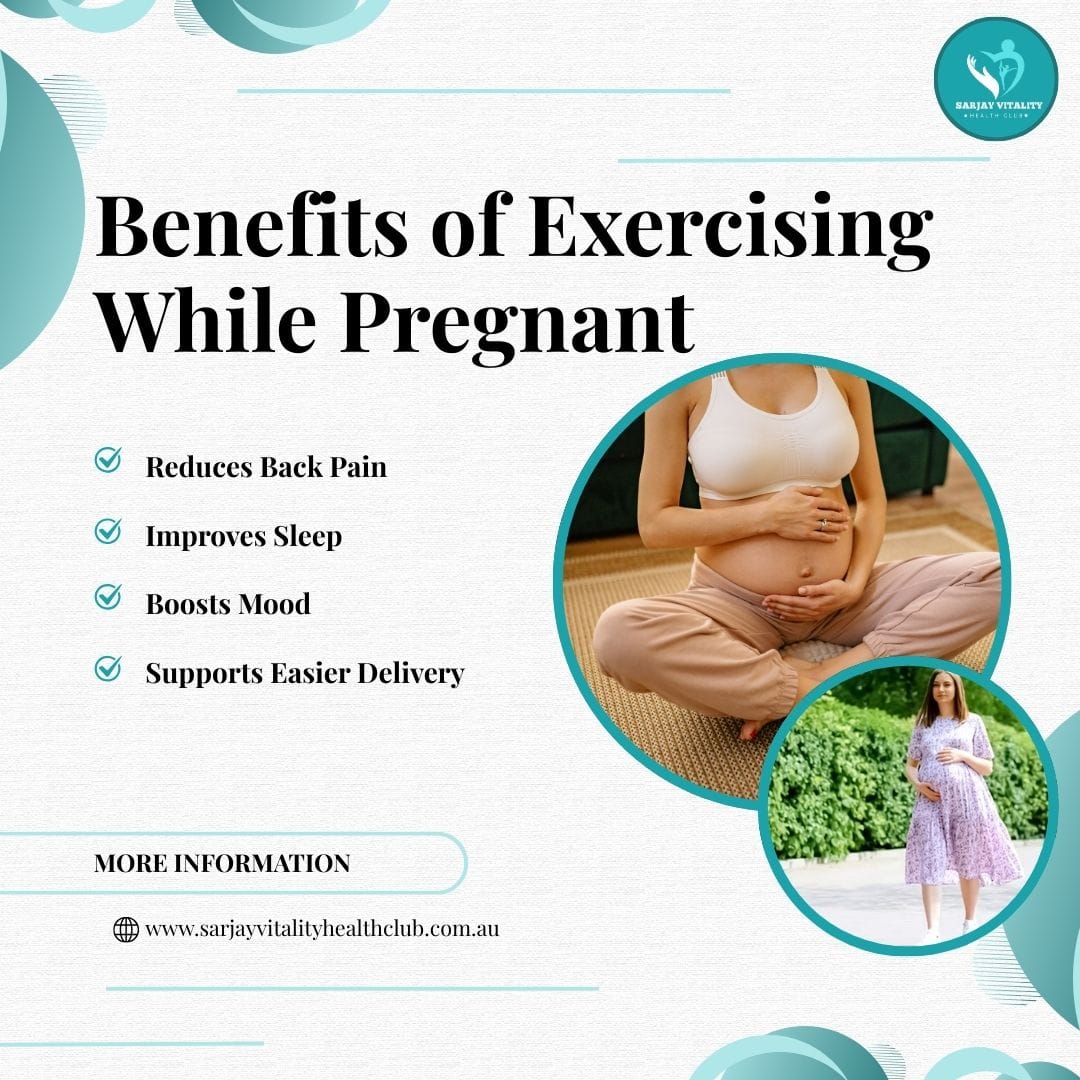
Pregnancy is a period of profound physical, emotional, and physiological change. For many years, exercise during pregnancy was approached with caution, largely due to concerns about fetal safety and maternal well- being. However, contemporary research and clinical guidance now clearly demonstrate that, for most women with uncomplicated pregnancies, regular physical activity is not only safe but strongly beneficial. When appropriately prescribed and monitored, exercise plays a vital role in supporting maternal health, enhancing psychological well- being, and contributing to positive pregnancy outcomes.
Why Exercise Matters During Pregnancy Regular exercise during pregnancy offers a wide range of benefits that extend beyond general fitness. Physically active pregnant women are more likely to maintain cardiovascular fitness, manage healthy weight gain, and reduce the risk of pregnancy-related conditions such as gestational diabetes mellitus and hypertensive disorders. Exercise has also been associated with improved posture, reduced back pain, better sleep quality and enhanced muscular strength, all of which support the changing demands placed on the body during pregnancy. From a psychological perspective, physical activity contributes to improved mood, reduced anxiety, and a lower risk of antenatal depression. Many women also report a greater sense of control, confidence, and body awareness when exercise is incorporated into their routine. Importantly, current evidence shows no increased risk to the fetus when healthy pregnant women engage in regular, moderate exercise.
Pre-Exercise Screening and Safety Considerations
Before commencing or continuing an exercise program during pregnancy, a thorough medical and obstetric assessment is essential. This screening helps identify any contraindications that may require exercise modification or restriction. Conditions such as significant cardiovascular disease, uncontrolled asthma or diabetes, placenta praevia, pre-eclampsia, persistent vaginal bleeding, or signs of preterm labour warrant individualised medical advice. For women without contraindications, exercise can usually be continued safely throughout pregnancy. Previously inactive women may also begin exercising during pregnancy, provided they start gradually and progress cautiously. Individual assessment remains critical, as pregnancy experiences vary widely and exercise prescriptions should reflect each woman’s health status, fitness level, and comfort.
Recommended Frequency, Duration, and Intensity
Frequency
Pregnant women are encouraged to be physically active on most, preferably all, days of the week. For those new to exercise or returning after a period of inactivity, starting with three to four non-consecutive days per week allows adequate recovery and adaptation.
Duration
The general recommendation is to accumulate 150 to 300 minutes of moderate-intensity physical activity per week, ideally in sessions of around 30 minutes. Shorter sessions of 15–20 minutes may be more appropriate initially, especially for women who were sedentary prior to pregnancy. Prolonged sessions beyond 60 minutes are usually discouraged unless the intensity is light, due to concerns about fatigue and temperature regulation.
Intensity
Moderate intensity exercise is sufficient to achieve meaningful health benefits during pregnancy. A practical way to monitor intensity is the “talk test” exercise is considered moderate if the woman can comfortably hold a conversation while being active. Another useful method is the rating of perceived exertion, where a feeling of “somewhat hard” effort is generally appropriate. Women who were physically active before pregnancy may be able to continue exercising at higher intensities, provided they adjust their routine in response to physical changes and avoid excessive exertion. Pregnancy is not a time to pursue peak athletic performance or competitive goals.
Types of Exercise Recommended During Pregnancy
Aerobic Exercise
Aerobic activities that use large muscle groups and increase heart rate are strongly encouraged. Walking, swimming, stationary cycling, and low-impact aerobic classes are popular and effective options. Water-based activities are particularly beneficial in later pregnancy, as they reduce joint loading and may help relieve swelling through improved circulation. Women who were accustomed to running before pregnancy may continue if comfortable, but it is generally not advised to start running during pregnancy if previously inactive.
Strength and Conditioning Exercises
Strength training is an important part of a balanced exercise routine during pregnancy. Pregnant women are
encouraged to perform muscle-strengthening exercises at least two days per week, using light weights, resistance bands, or body weight. Exercises should be done with controlled movements, proper breathing, and moderate intensity. Heavy lifting, straining, and prolonged breath-holding should be avoided. From the second trimester onward, exercises performed lying flat on the back should be modified to seated or standing positions.
Pelvic Floor Exercises
Pelvic floor muscle training is strongly recommended during pregnancy. Strengthening these muscles helps support the growing uterus, reduces the risk of urinary incontinence, and may aid postnatal recovery. These exercises can be safely performed daily and incorporated into routine activities.
Physiological Changes and Exercise Adaptation
Pregnancy brings significant physiological adaptations that influence how exercise should be approached:
Weight gain and altered centre of gravity can affect balance, increasing the risk of falls. Activities involving sudden changes in direction should be modified or avoided.
Increased ligament laxity may raise the risk of joint injury, highlighting the importance of controlled movements and avoiding high-impact or jumping activities.
Cardiovascular changes, including a higher resting heart rate, mean that heart-rate-based exercise targets should be interpreted cautiously and combined with perceived exertion.
Thermoregulation is altered during pregnancy. Adequate hydration, appropriate clothing, and avoidance of exercise in hot Supine positioning should be avoided for prolonged periods after the first trimester, as it may reduce venous Return and cause dizziness.
Understanding these changes allows women to exercise safely while respecting the body’s evolving needs.
Warning Signs: When to Stop Exercise
Exercise should be stopped immediately and medical advice sought if any of the following symptoms occur:
Chest pain or unexplained shortness of breath Dizziness, faintness, or severe headache Vaginal bleeding or fluid leakage
Decreased fetal movements
Painful uterine contractions or lower back pain Calf pain, swelling, or redness
Sudden swelling of the hands, face, or ankles
Recognising these warning signs is essential to ensure maternal and fetal safety.
Overcoming Common Barriers to Exercise
Despite clear benefits, many women reduce their activity levels during pregnancy due to fatigue, physical discomfort, lack of time, or uncertainty about what is safe. Addressing these barriers through education, reassurance, and practical strategies. such as shorter exercise sessions, social support, or guided programs can help women remain active with confidence. Healthcare professionals play a crucial role in encouraging exercise by providing clear, consistent, and evidence-based advice tailored to individual circumstances.
Conclusion
Exercise during pregnancy is a safe, effective, and valuable component of antenatal care for women without contraindications. Regular physical activity supports maternal physical health, psychological well-being, and may contribute to improved pregnancy and birth outcomes. With appropriate screening, individualised guidance, and awareness of physiological changes, pregnant women can engage in exercise safely and confidently. Pregnancy also represents a unique opportunity to establish lifelong healthy habits not only for the mother but for the future well- being of her child. Encouraging and supporting exercise during this transformative period is an investment in long- term health for both generations.
A Safe and Beneficial Approach to Maternal Health